Nigeria Records N466.79bn Raw Material Trade Surplus in H1 2026
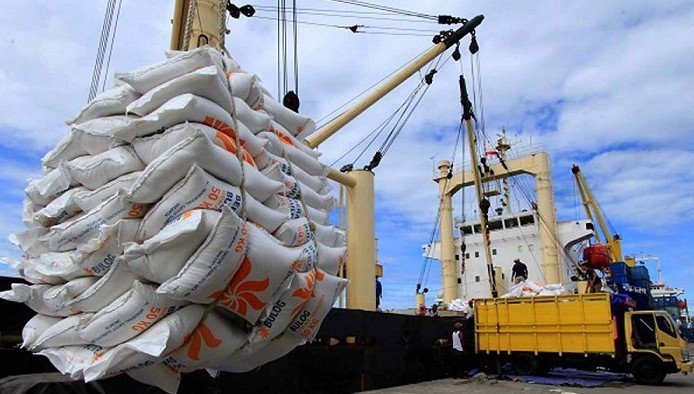
Nigeria recorded a N466.79 billion trade surplus in raw materials in the first half of 2026, marking a sharp reversal from the N1.67 trillion deficit recorded in the corresponding period of 2025.
The turnaround was driven by a strong increase in raw material exports alongside a decline in imports, according to an analysis of the Q2 2026 Foreign Trade Statistics report released by the National Bureau of Statistics (NBS).
Raw material exports rose 105.9% year-on-year to N3.84 trillion in H1 2026, more than doubling from the corresponding period of 2025.
Over the same period, raw material imports declined by 4.5% year-on-year to N3.37 trillion.
Q2 drives turnaround
The reversal was heavily concentrated in the second quarter, when raw material exports surged to N2.31 trillion.
Q2 exports accounted for approximately 60% of the N3.84 trillion recorded in the first half and represented an increase of about 181% from the N819.72 billion recorded in Q2 2025.
The sharp increase in exports during the quarter was therefore a major factor behind Nigeria’s return to a raw material trade surplus in the first half of the year.
Break from years of raw material deficits
The development is particularly notable because Nigeria has recorded a raw material trade deficit in every full year since at least 2016.
For years, imports of raw materials have consistently exceeded exports by significant margins, reflecting the country’s dependence on imported inputs for several areas of domestic production.
The H1 2026 surplus therefore represents a significant shift in the pattern of Nigeria’s raw material trade, although the sustainability of the reversal will depend on whether the sharp increase in exports can be maintained through the remainder of the year.