Nigeria’s Headline Inflation Eases to 15.39% in August as Annual Price Pressure Continues to Moderate
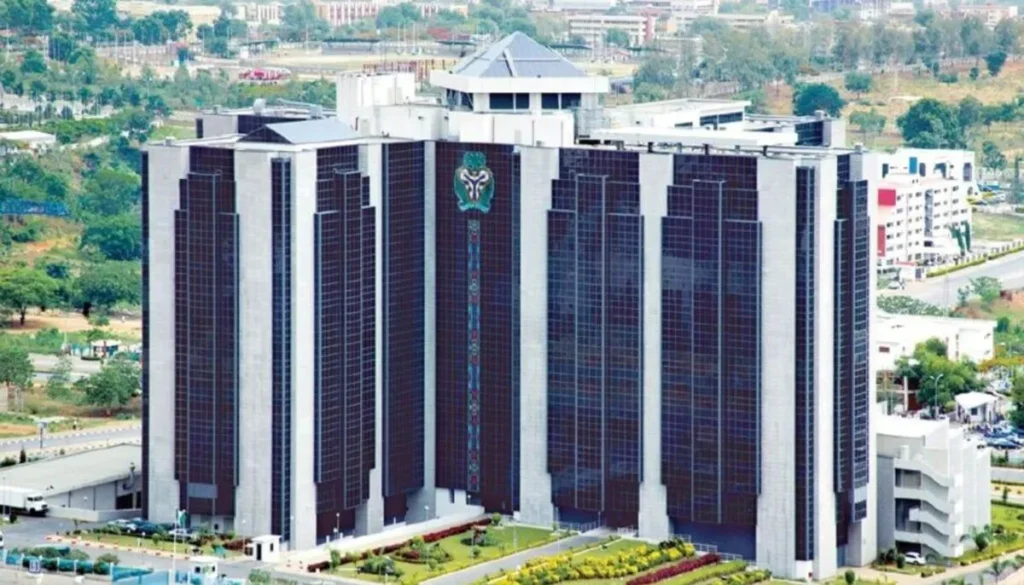
Nigeria’s headline inflation rate eased marginally to 15.39% in August 2026, from 15.43% in July, according to the latest Consumer Price Index data from the National Bureau of Statistics (NBS).
The August figure represents a 0.04 percentage-point decline month-on-month, extending the recent moderation in headline inflation.
More significantly, inflation was substantially lower than the 23.14% recorded in August 2025, representing a 7.75 percentage-point decline year-on-year.
The NBS said the August 2026 headline inflation rate stood at 15.39%, compared with 15.43% in July and 23.14% in August 2025.
What you should know
The latest inflation figure shows that Nigeria’s inflation problem is continuing to moderate on an annual basis, although the improvement from July to August was relatively small.
The distinction between the month-on-month movement and year-on-year decline is important.
A 15.39% annual inflation rate means that, on average, the prices captured by the CPI basket were significantly higher than they were a year earlier. The 7.75 percentage-point decline therefore indicates a substantial reduction in the pace of annual price increases compared with August 2025.
However, the 0.04 percentage-point monthly decline from July suggests that the disinflation process may be becoming more gradual.
The NBS currently uses a rebased CPI with 2024 as the price reference period and 2023 as the weight reference period, covering 934 product varieties across 13 divisions.
Inflation has fallen significantly from last year
The most striking part of the latest data is the year-on-year improvement.
Headline inflation has fallen from 23.14% in August 2025 to 15.39% in August 2026, a decline of 7.75 percentage points.
This means the economy is experiencing considerably slower price growth than it was a year ago.
The moderation is important for households and businesses because persistent high inflation erodes purchasing power, raises operating costs and makes financial planning more difficult.
However, lower inflation does not mean that prices have returned to their previous levels. It means prices are increasing at a slower rate.
For example, if a product became significantly more expensive during the previous inflationary period, a subsequent decline in the inflation rate does not automatically reverse that earlier price increase.
The July-to-August decline is relatively small
The move from 15.43% to 15.39% represents only a 0.04 percentage-point reduction.
That suggests the disinflation process is continuing, but at a much slower pace than the large year-on-year improvement might imply.
This is an important distinction for policymakers and investors.
The economy has made substantial progress compared with 2025, but bringing inflation down further will likely require sustained improvement in food supply, exchange-rate stability, energy costs, logistics and overall domestic production.
What lower inflation means for the naira and businesses
A sustained moderation in inflation would generally strengthen the macroeconomic environment.
For businesses, slower inflation can make it easier to forecast input costs, set prices and plan investments.
It can also reduce pressure on working capital because companies may need less frequent and aggressive price adjustments.
For households, however, the benefit will depend on whether income growth catches up with the higher price level accumulated over previous years.
In other words, slower inflation is positive, but it does not immediately restore lost purchasing power.
Implications for interest rates
The inflation trend will also remain important for monetary policy.
If inflation continues to moderate, the case for maintaining extremely restrictive monetary conditions could gradually weaken. Lower inflation gives the Central Bank of Nigeria more room to consider whether interest rates can eventually come down without reigniting price pressures.
However, a single monthly inflation reading is not enough to establish a sustained trend.
The CBN would likely remain focused on whether disinflation is broad-based and durable, particularly across food, core and services inflation.
This is especially relevant because Nigeria’s fixed-income market has already been experiencing declining Treasury bill stop rates, suggesting that investors are increasingly positioning for a lower-inflation and potentially easier monetary environment.
Consumers may not immediately feel a major improvement
Despite the headline decline, households may not perceive a dramatic difference in their daily expenses.
This is because inflation measures the rate at which prices are changing, rather than the absolute level of prices.
A fall from 23.14% to 15.39% means prices are rising considerably more slowly than they were a year ago, but they are still rising.
The real improvement in household purchasing power will depend on inflation falling further while wages and incomes increase.
What investors should watch
The key issue going forward will be whether Nigeria can sustain the disinflation trend.
Investors will be watching:
- Food inflation and agricultural supply conditions
- Core inflation and services prices
- Naira stability and foreign-exchange liquidity
- Fuel, electricity and transportation costs
- Domestic production and supply-chain conditions
- CBN monetary policy decisions
- Treasury bill and bond yields
- Household purchasing power and consumer demand
A continued decline in inflation would be particularly positive for fixed-income investors, businesses and consumers if it occurs alongside stable economic growth.
The bigger picture
Nigeria’s August inflation reading provides another sign that the country’s severe inflationary pressures have eased substantially from their 2025 levels.
The 15.39% headline rate is 7.75 percentage points below August 2025, showing a significant improvement in the inflation environment.
However, the 0.04 percentage-point decline from July also shows that the final stages of disinflation could prove more difficult.
The next phase of Nigeria’s economic adjustment will therefore be less about achieving a large one-off decline in inflation and more about establishing a sustained period of low and stable price growth.
If that happens alongside stronger economic growth, a more stable naira and improving domestic production, Nigeria could move from simply reducing inflation to creating a more predictable environment for households, businesses and investors.