Nigerian Banks Restore Dollar Spending Limits as FX Liquidity Improves
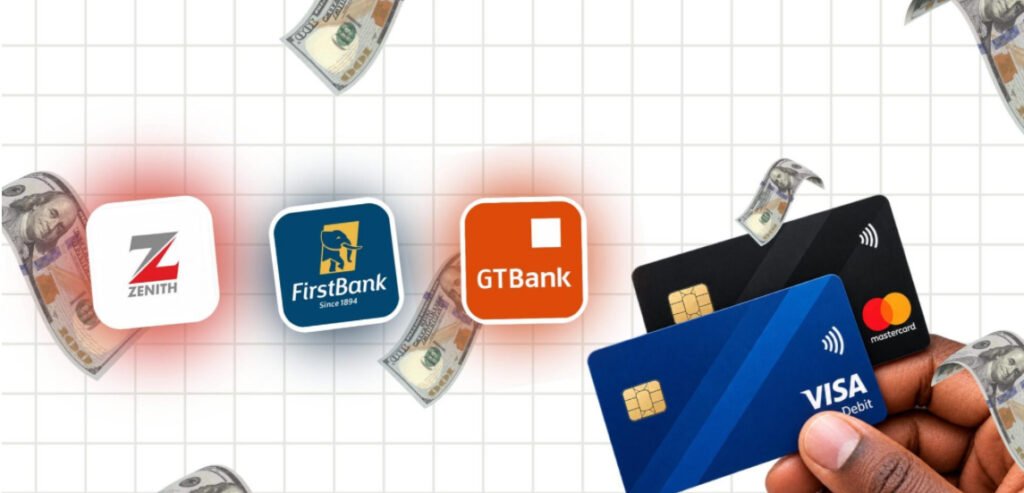
Nigerian banks are gradually expanding customers’ access to dollar-denominated international payments, reversing years of restrictions imposed amid severe foreign exchange shortages and pressure on the naira.
The development marks a significant turnaround from the period between 2023 and 2025, when declining foreign exchange liquidity forced several banks to reduce international card spending limits and, in some cases, suspend offshore transactions entirely.
During the period, Nigerians travelling abroad, studying overseas or making payments to international businesses faced increasing difficulties using their naira-denominated cards for foreign transactions.
Students, travellers and businesses with international financial obligations were particularly affected, with many customers forced to seek alternative sources of foreign currency, including the parallel market, to meet their dollar payment needs.
The situation was largely driven by persistent pressure on Nigeria’s foreign exchange market, which constrained banks’ ability to process international card transactions while maintaining adequate dollar liquidity.
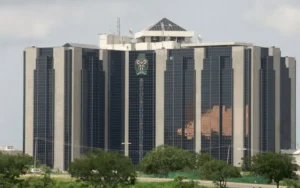
However, improved foreign exchange liquidity and a series of reforms introduced by the Central Bank of Nigeria (CBN) have begun to change the landscape.
Nigerian banks are now gradually restoring and increasing the international transaction limits attached to naira cards, giving customers greater access to foreign currency payments.
The increase in limits is expected to ease some of the pressure previously faced by Nigerians making legitimate international payments, particularly for tuition, travel expenses, subscriptions, online services and other offshore transactions.
The development also reflects broader improvements in conditions within Nigeria’s foreign exchange market, as increased liquidity gives banks greater capacity to meet customers’ legitimate demand for foreign currency.
While transaction limits and conditions continue to vary across banks and card products, the gradual restoration of international spending capacity signals a notable shift from the severe restrictions experienced during the height of the FX crisis.
For Nigerian consumers and businesses, the development could reduce dependence on informal foreign exchange channels and make international payments more accessible through the formal banking system.