CBN Allots N865.71 Billion as Treasury Bills Stop Rate Falls to 16.84%
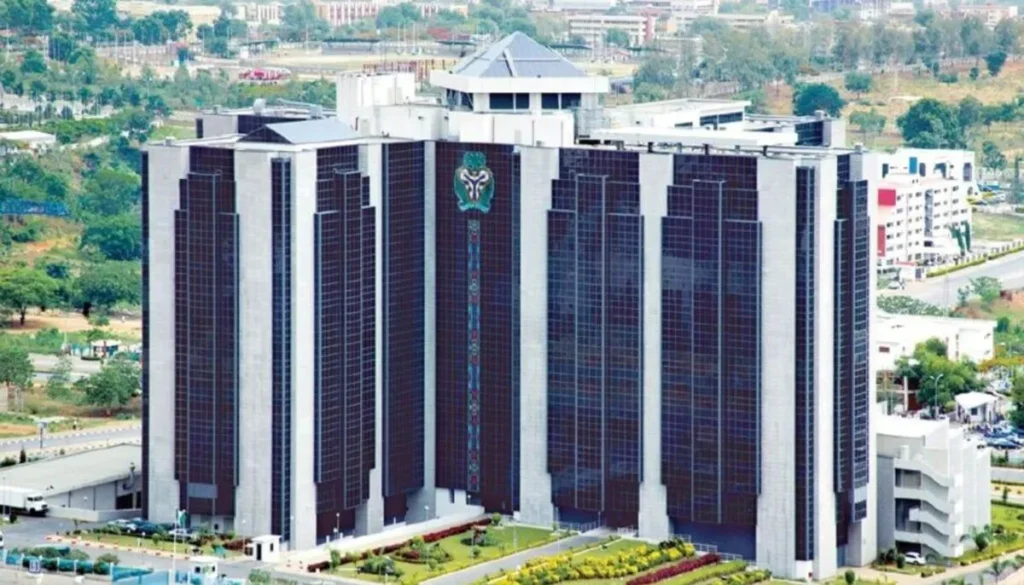
The Central Bank of Nigeria (CBN) allotted N865.71 billion at its Wednesday, September 2, 2026, Treasury Bills primary market auction, while cutting the stop rate on the one-year bill to 16.84%.
The latest rate represents the second consecutive cut and the lowest stop rate on the 364-day Treasury Bill since the June 3, 2026 auction.
The auction attracted exceptionally strong demand, with investors submitting a combined N3.35 trillion in bids against the N700 billion initially offered by the CBN.
The CBN ultimately allotted N865.71 billion, exceeding the original offer by approximately N165.71 billion.
What you should know
The Treasury Bills primary market is where the Federal Government, through the CBN, raises short-term funds from investors.
Investors submit bids indicating how much they want to invest and the yield they are willing to accept. The stop rate is the accepted cut-off yield for a particular tenor.
Therefore, when the stop rate falls, investors are effectively accepting a lower return on newly issued Treasury Bills.
The latest reduction to 16.84% is particularly significant because it follows another rate cut at the previous auction, suggesting that yields on short-term government securities may be gradually moving lower.
Investors demand N3.35 trillion against N700 billion offer
The strongest signal from the auction was the enormous level of demand.
Investors submitted N3.35 trillion in bids for securities initially worth N700 billion.
That means the amount investors wanted to purchase was roughly 4.8 times the amount originally offered.
Such demand gives the CBN considerable flexibility when determining the amount to allot and the yields it is willing to accept.
The decision to allot N865.71 billion, instead of the original N700 billion, indicates that the CBN was willing to absorb additional demand while still reducing the stop rate on the benchmark one-year bill.
One-year Treasury Bill remains the preferred option
Despite the large overall demand, interest was not evenly distributed across the different Treasury Bill maturities.
Investors continued to concentrate heavily on the 364-day bill, while the shorter-tenor bills attracted comparatively weak demand.
This has become a recurring pattern in Nigeria’s Treasury Bills market in 2026.
The preference suggests that investors remain more interested in locking funds into longer short-term government securities, particularly when the one-year bill still offers a relatively attractive yield compared with other available low-risk instruments.
What the falling 16.84% stop rate means
The reduction in the 364-day stop rate is important because Treasury Bill yields influence returns available across Nigeria’s fixed-income market.
When auction yields decline, investors may begin reassessing where they can obtain the most attractive risk-adjusted returns.
For banks, pension funds, asset managers and other institutional investors, a lower Treasury Bill yield can influence portfolio allocation decisions.
Some investors may continue holding government securities because of their relatively low credit risk, while others may begin looking more closely at corporate debt, equities or other investment opportunities if the return premium becomes less attractive.
Why demand remains strong despite lower yields
The combination of a lower stop rate and very strong demand is notable.
It suggests that investors were willing to accept lower yields rather than significantly reduce their appetite for Treasury Bills.
Several factors can influence this behaviour, including the perceived safety of government securities, liquidity considerations, portfolio requirements and expectations about the future direction of interest rates.
If investors believe Treasury Bill yields could decline further, locking in a 16.84% yield for one year may still appear attractive compared with waiting for potentially lower rates at future auctions.
What this means for the government
For the government, lower Treasury Bill yields can reduce the cost of raising short-term funds.
However, the impact depends on the volume of securities being issued and the broader structure of government borrowing.
The CBN’s decision to allot more than the initial offer also means that N865.71 billion was raised through the auction, providing additional short-term funding.
At the same time, consistently strong demand gives the authorities room to manage borrowing costs more efficiently.
The bigger picture
The September 2 Treasury Bills auction highlights an important shift in Nigeria’s fixed-income market.
Investors are still displaying very strong demand for government securities, but the yields they are accepting are gradually coming down.
The N3.35 trillion demand against N700 billion offered demonstrates that liquidity and investor appetite remain substantial, while the 16.84% stop rate on the 364-day bill indicates that investors are becoming willing to accept lower returns.
The continued preference for the one-year bill also shows that investors are favouring longer short-term maturities over shorter instruments.
For the CBN and the government, the development is potentially favourable from a borrowing-cost perspective. For investors, however, falling Treasury Bill yields mean that the search for attractive returns may increasingly require looking beyond the safest short-term government securities.
The next auctions will therefore be important in determining whether the decline in Treasury Bill yields is becoming a sustained trend or simply reflects the conditions surrounding recent auctions.